
Diagnostic Imaging Services
Computed Tomography (CT)
Computed Tomography (CT) scan utilises computerised x-ray imaging to generate cross-sectional slices of the body, resulting in more intricate tomographic images of various body parts. These images can reveal abnormalities in organs, bones, muscles, and blood vessels with greater detail.
Before, during and after your scan
All CT scan services are delivered by our partner laboratory, situated within the same building as our health screening centre. While a CT scan is a straightforward procedure, a little preparation goes a long way towards making the experience swifter and more comfortable. Below is what you should know at each stage.
Before

- A CT scan is straightforward, but a little preparation makes the process faster and more comfortable. Here's what to know at each stage.
- Refrain from eating anything for four hours before the appointment. It is advisable to drink clear liquids, and you can continue taking your prescribed medications (except for anti-diabetic medication) before the scan. If you are taking an anti-diabetic medication called Metformin, kindly stop 48 hours prior to the scan and to resume only 48 hours the scan is completed.
- Remove any jewellery or metal objects.
- For a CT scan of the abdomen/pelvis, you may need to drink oral contrast media one hour before the scan, and are advised not to empty your bladder at least one hour before the scan.
- In selected patients, a serum creatinine blood test might be required to be done before the CT scan examination in order to check your kidney function.
During
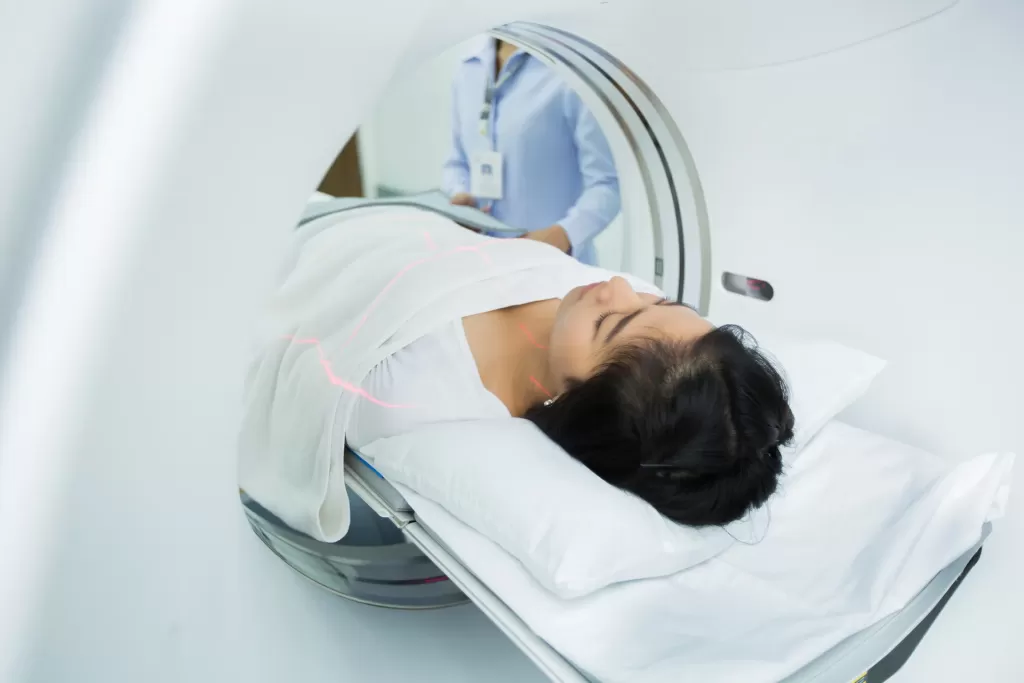
- For scans involving contrast media, you will need to sign a consent form detailing the risks and potential side effects associated with intravenously injected contrast media.
- You will lie on a CT table that slides into the scanner, while the staff operates the scanner from a control room. It's important to remain still during the scan to ensure clear images. Inform the staff immediately if you experience any discomfort or unusual sensations.
- Temporary side effects of IV contrast may include feeling warm, a metallic taste in the mouth, or an urge to urinate, which usually dissipates quickly.
- The scan may require 15 minutes to 30 minutes. This timeframe does not encompass the preparatory phase, which might extend to as long as 90 minutes for a pelvic scan.
After
- If contrast was used, you might be advised to wait for up to an hour to monitor for any adverse reactions. Generally, the intravenous contrast is eliminated by the kidneys within one or two hours.
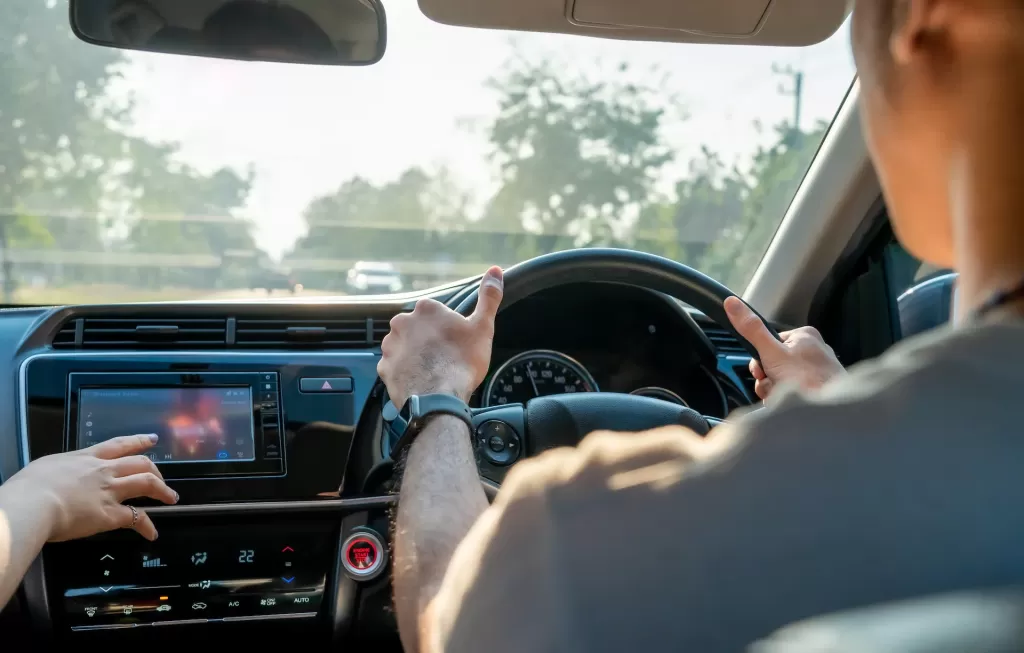
- You can resume normal activities, including eating, drinking, working, and driving, after the scan.
- If you have experienced a reaction to contrast media
- Are pregnant or suspect you might be
- Are breastfeeding
- Use diabetic medication
- Have allergies to medications
- Experience kidney issues such as kidney disease, previous kidney surgery, or dialysis
- Have any other underlying medical conditions including diabetes mellitus and asthma
- Take any medications, including vitamins, herbal supplements, or other dietary supplements
Book Your Health Screening Today
Taking care of your health starts with one simple step. Whether you’re planning a routine check-up or a comprehensive health screening, our team is here to guide you with personalised care and a seamless booking experience.
Please fill out this form for our team to get in touch with you to schedule your consultation. We will get back to you the next working day. For urgent requests, please WhatsApp us or call the centre.